MDARD Urging Six Michigan Counties to Destroy This Bug on Sight
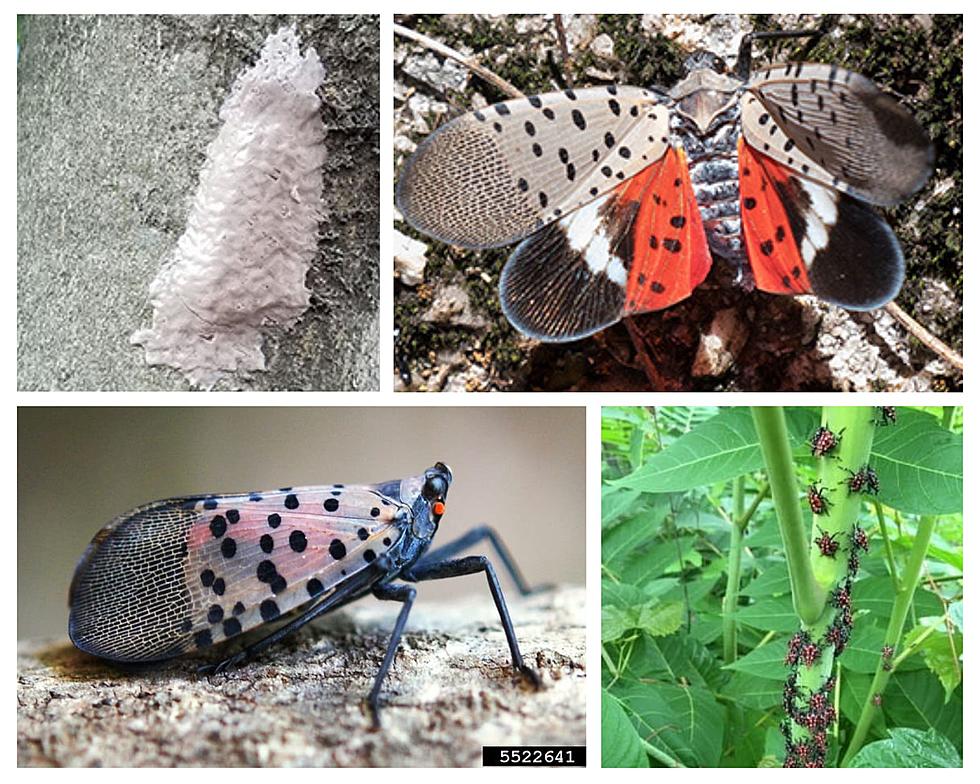
Alright, Michigan, we have an assignment from the Michigan Department of Agriculture and Rural Development (MDARD), and to be honest, it's brutal but vital for the health of our state's ecosystem. According to the Great Lakes State farm watchdogs, we have been charged not only with watching out for the invasive spotted lanternfly but also with squishing it.
RELATED: Michigan Officials Sound Alarm Over Flesh-Eating Parasite Threat
The good news: it doesn't bite people or pets. The bad news: it can turn patios, gardens, vineyards, trees, and outdoor spaces into sticky, moldy, bug-covered yuck.
Why Michigan Should Care

Spotted lanternflies feed on tree-of-heaven, grapevines, black walnut, river birch, willow, sumac, red maple, and plenty of other plants Michigan would rather keep alive and not wearing bug syrup.

As they feed, they leave behind honeydew, a sticky liquid that can grow black sooty mold, discolor plants, attract flies and yellow jackets, and make your patio furniture feel like it lost a fight with a gas station bathroom floor.
See It, Squish It, Report It

MDARD's marching orders are simple. If you see a spotted lanternfly in Jackson, Lenawee, Macomb, Monroe, Oakland, or Wayne County, squish it. No report needed. The state already knows those populations are there.
RELATED: 6 Popular Plants Have Been Officially Added to Michigan’s Invasive Species List
Anywhere else in Michigan? Take a photo, note the date, time, and location, then report it through MDARD's Eyes in the Field tool. Nymphs are black with white spots, later turning red and black. Adults show up from August through October, about an inch long, with spotted tan wings and bright red hiding underneath. See one, squish it. You have the state's permission.
Identifying Michigan 18 Snake Species
Gallery Credit: Scott Clow
More From 99.1 WFMK