The Great Flood of 1923: Alpena, Michigan
Back in 1923, Alpena suffered one of its worst weather-related disasters: among them was the collapse of the Ninth Street Bridge.
The winter had been rougher than usual. When April arrived, vehicles still couldn’t even get through; horse-drawn sleighs had to be used for transportation. Railroads experienced drifts of snow up to 20 feet which kept plow engines continuously running on the tracks. In late April, nearby Long Lake was still reporting ice that was two feet thick.
On April 19 some welcome warmer weather arrived, causing record-setting high temps. But it ended up melting the ice and snow faster than expected. The river watershed had been cleared of its timber and flooding was imminent.

The Thunder Bay River soon flooded over, across Washington Avenue Park and down Washington Avenue, flooding residential basements and causing sewers to back up.
A crew began building levees of dirt, hay bales, logs, sand, and practically anything they could find that would suit the need. By 4 o’ clock Sunday afternoon, Alpena County Fairgrounds were beginning to flood. It wasn’t until late Sunday that the flooding began to go down.
Even so, it was on Sunday that the 9th Street Bridge collapsed into the river. That was followed by the collapse of the Chisholm Street Bridge. By Sunday evening, it had broken up and fallen into Lake Besser. Now the only connection between north and south Alpena was the 2nd Avenue Bridge, which stayed intact.
North Alpena had no access to gas, thanks to lines being washed out – no telephone service, either. It would be a week before the city was somewhat back to normal.
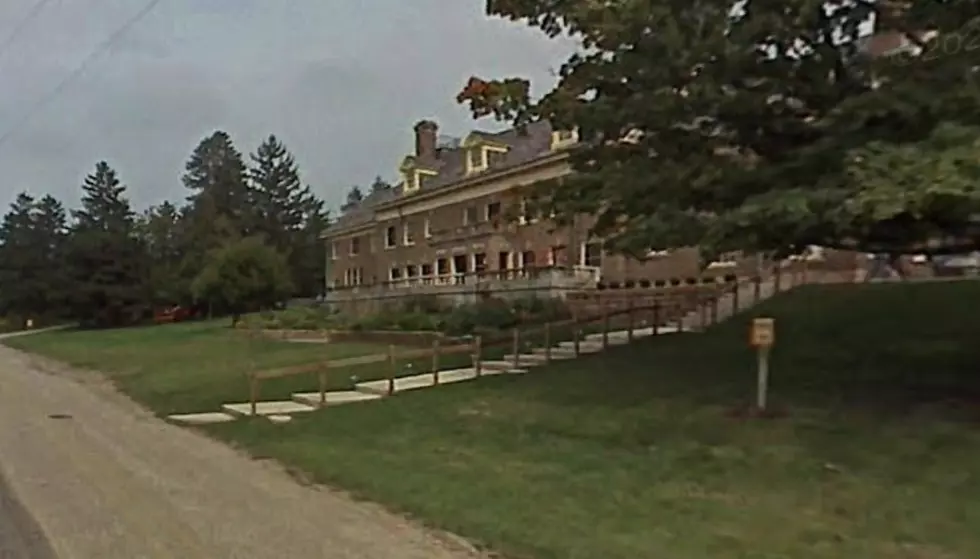
The gallery below shows images of the 9th Street bridge collapse and how it looks today.
9th Street Bridge, Alpena
More From 99.1 WFMK